Support for children who are feeling overwhelmed, anxious,
or having a hard time coping.
You don’t have to figure this out on your own. Support can make things feel lighter for both you and your child.

You know your child… and something has shifted. This isn’t about something being “wrong” with your child.
Maybe it’s subtle.
Maybe it’s constant.
But lately, things feel harder than they should.
Mornings turn into battles
Small things become big reactions
Your child gets overwhelmed, anxious, or shuts down
You’re walking on eggshells trying to keep things calm
And even if others don’t fully see it…
you do.

What child therapy looks like
Every child is different , so sessions are adapted to who your child is.
That might include:
talking
play-based approaches
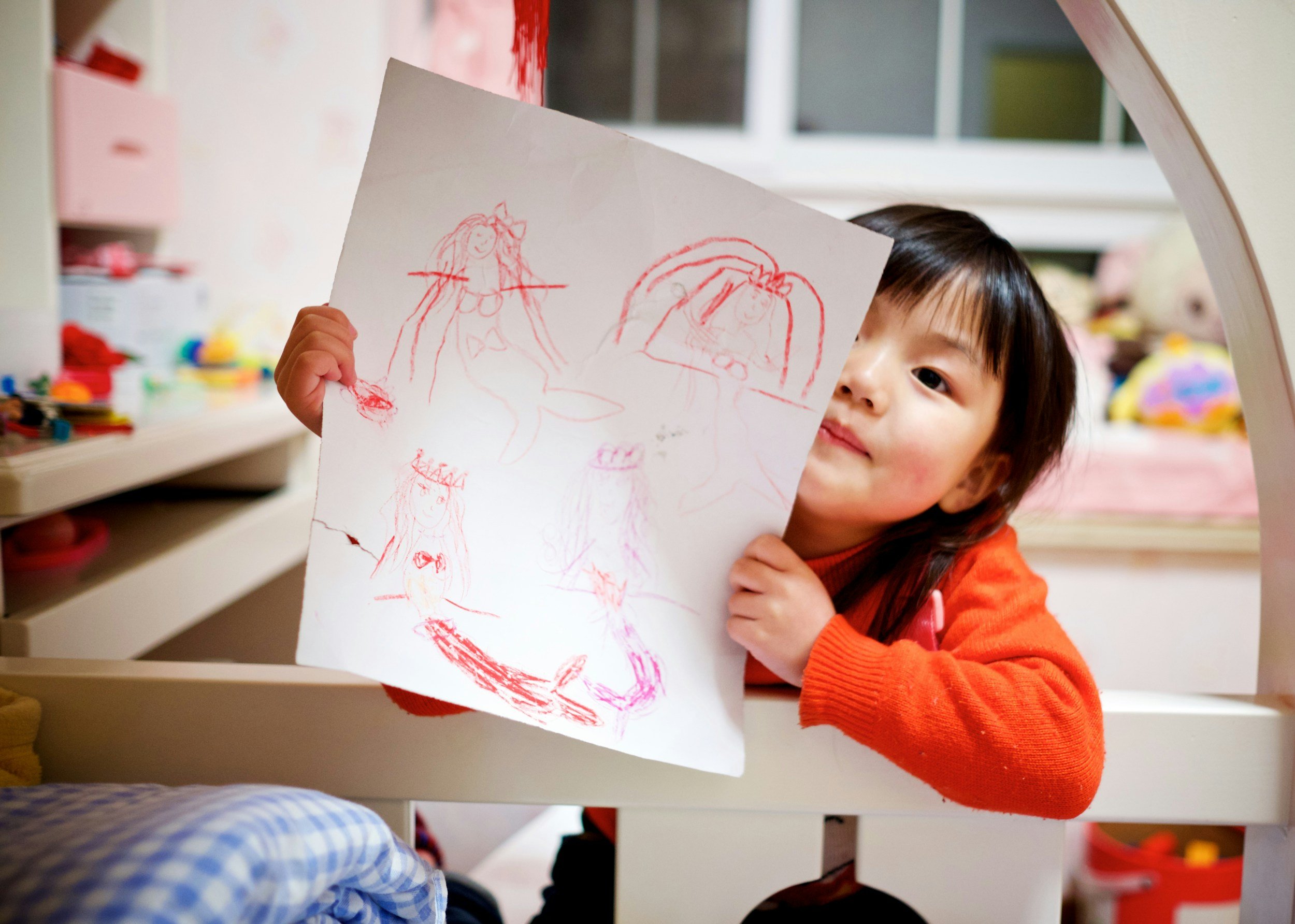
drawing or creative expression
gentle, supportive conversation
Your child doesn’t need to explain everything perfectly.
They just need a space where they feel:
understood
safe
not judged

Child therapy can help if your child is:
struggling with anxiety or excessive worry
having frequent meltdowns or emotional outbursts
shutting down or withdrawing
having difficulty with school or friendships
overwhelmed by change or transitions
highly sensitive or easily dysregulated

You’ve probably been asking yourself:

Child therapy helps your child make sense of what they’re feeling and learn how to handle it.
Not by forcing them to talk.
Not by trying to “fix” them.
But by helping them:
feel safe enough to open up
understand their emotions
learn ways to cope and regulate
feel more confident and in control
Because when those skills start to build…
everything else starts to feel easier.
You’re part of the process too
You won’t be left guessing.
As a parent, you’ll start to understand:
what’s underneath your child’s behaviour
why certain patterns keep happening
how to respond in ways that actually help
So instead of second-guessing yourself…
you feel more confident supporting them.

Why parents reach out for child therapy
Many parents start looking for child therapy when:
things don’t seem to be improving on their own
they’ve tried different strategies but nothing is sticking
their child’s anxiety or emotions are starting to affect daily life
they feel unsure how to help anymore
If that’s where you are, you’re not alone.
Is this just a phase?
Am I overthinking this?
Why can’t they handle things the way they used to?
And underneath all of that:
What if this keeps getting worse?
This isn’t about something being “wrong” with your child.
But it is a sign that they’re struggling.
When children don’t yet have the tools to manage what they’re feeling, it shows up as:
anxiety or constant worry
emotional outbursts or meltdowns
avoidance (school, social situations, new things)
shutting down or withdrawing
difficulty regulating big emotions
What to Expect from Child Therapy
-

Initial Consultation
We talk about what’s been going on and what you’re noticing.
-

Tailored Plan for Your Child
Based on their needs, personality, and pace.
-
Ongoing Support
For both your child and you as a parent.
FAQs
How do I know if my child needs therapy?If your child’s emotions, behaviour, or anxiety are interfering with daily life — or things don’t seem to be improving — therapy can help.
Is online child therapy effective?Yes. Online therapy can be highly effective for children, especially when sessions are adapted to their age and comfort level.
What age does child therapy start?Child therapy can begin as early as preschool age, depending on the concerns and the child’s needs.
Child Therapy for Anxiety and Emotional Regulation in Ontario
Child therapy supports children experiencing anxiety, emotional dysregulation, behavioural challenges, and difficulty coping with everyday stress.
If you’re looking for child therapy in Ontario, sessions are available online and designed to support both your child and your family in a way that feels safe, practical, and effective.
You don’t have to wait until things get worse.
If something in you is saying this isn’t just a phase, it’s worth paying attention to that.
Support can make things feel calmer, clearer, and more manageable, for both you and your child.
You don’t need to be 100%
You just need to take the first step.