

10 Signs of Anxiety in Children Parents Should Not Ignore
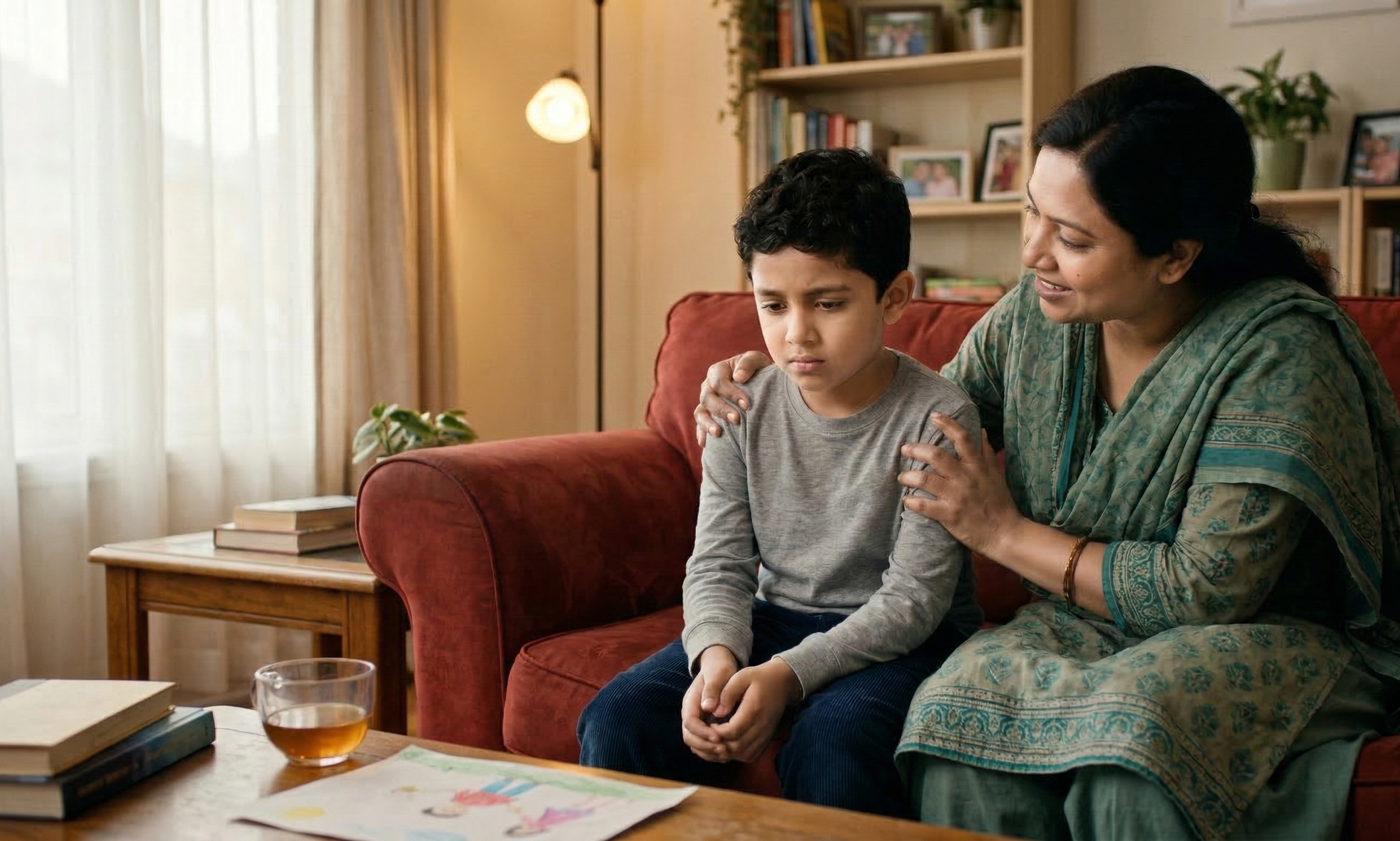
Childhood is filled with new experiences, starting school, forming friendships, learning new skills, and navigating social expectations. It is natural for children to feel nervous or uncertain during these moments. In fact, occasional worry is part of healthy emotional development.
However, when anxiety becomes frequent, intense, or begins to interfere with daily life, it may indicate that a child is struggling to cope with stress. Anxiety in children can influence sleep, school performance, family relationships, and social confidence.
Many parents searching for child anxiety symptoms are surprised to learn that children rarely describe anxiety directly. Instead, anxiety often appears through behaviour, physical complaints, or emotional reactions that may initially seem unrelated to stress.
Understanding the signs of anxiety in children can help parents recognize when a child may need additional support and guidance in developing coping skills.
Key Takeaways
• Anxiety disorders are among the most common mental health challenges affecting children and adolescents.
• Signs of anxiety in children often appear through behaviour changes, physical symptoms, or emotional distress.
• Early recognition of child anxiety symptoms can help families seek appropriate support sooner.
• Evidence-based treatments such as cognitive behavioural therapy and counselling for children with anxiety can help kids build lifelong coping skills.
What Anxiety Can Look Like in Kids
Children experience anxiety differently than adults. While adults may describe feeling overwhelmed or worried, children often lack the language to explain these internal experiences.
Instead, anxiety in kids may show up through:
• physical discomfort
• avoidance of certain situations
• changes in behaviour or mood
• difficulties with sleep or concentration
These responses are connected to the body’s natural stress response. When the brain perceives a threat, whether real or imagined, the nervous system activates a “fight, flight, or freeze” reaction.
If this response occurs frequently, children may feel constantly on edge or overwhelmed by situations that feel manageable to others.
10 Signs of Anxiety in Children Parents Should Watch For
Recognizing these patterns early can help parents understand whether a child may be experiencing anxiety.
1. Constant “What If” Thinking
Children experiencing anxiety may frequently ask questions that begin with what if. For example:
“What if I fail the test?”
“What if something bad happens?”
“What if my friends don’t like me?”
These repetitive worries can become difficult for children to stop thinking about.
2. Physical Symptoms Before Stressful Events
Many children with anxiety experience physical symptoms before school, social events, or unfamiliar situations.
Common complaints include:
• stomach aches
• headaches
• nausea
• fatigue
These symptoms often improve once the stressful situation passes.
3. School Avoidance or Reluctance to Attend
A child experiencing anxiety may suddenly resist going to school or complain frequently about feeling unwell in the morning.
School-related anxiety can be connected to:
• academic pressure
• social challenges
• fear of separation from caregivers
4. Extreme Sensitivity to Mistakes
Some children with anxiety become highly self-critical when they make mistakes. They may become upset over small errors or refuse to attempt tasks unless they feel certain they will succeed.
This perfectionism can create additional stress and avoidance.
5. Difficulty Relaxing
Children struggling with anxiety may appear constantly tense or restless. They may find it difficult to sit still, relax, or shift their attention away from worries.
Parents may notice that the child seems “on edge” even during calm situations.
6. Sudden Emotional Reactions
Anxiety can cause strong emotional reactions such as crying, frustration, or anger.
These reactions may occur when a child feels overwhelmed by expectations or uncertain situations.
7. Frequent Reassurance Seeking
Children experiencing anxiety often seek repeated reassurance from caregivers.
They may ask questions such as:
“Are you sure I’ll be okay?”
“Will you pick me up on time?”
“Nothing bad will happen, right?”
While reassurance can be comforting, repeated reassurance seeking may indicate persistent anxiety.
8. Trouble Sleeping Alone
Bedtime can be particularly difficult for anxious children.
They may:
• resist going to bed
• ask parents to stay in the room
• wake frequently during the night
Nighttime worries often intensify because distractions are reduced.
9. Avoiding Social Situations
Some children with anxiety begin avoiding birthday parties, sports teams, or group activities.
This may be related to social anxiety in children, which can involve fears of embarrassment, rejection, or being judged by peers.
10. Loss of Interest in Activities
When anxiety becomes overwhelming, children may stop participating in activities they once enjoyed.
This withdrawal can sometimes be mistaken for shyness or moodiness when it may actually reflect emotional distress.
When Child Anxiety May Require Professional Support
While occasional worries are common, parents may want to consider professional guidance when anxiety:
• interferes with school attendance or participation
• disrupts sleep regularly
• causes intense emotional distress
• leads to persistent avoidance of activities
• affects friendships or family relationships
Seeking support early can help prevent anxiety from becoming more severe over time. Parents looking for actionable strategies can also explore “How to Help an Anxious Child at Home” to learn practical coping tools for daily life.
Therapy Options for Children With Anxiety
Several evidence-based approaches can help children learn how to manage anxiety and build confidence.
Cognitive Behavioural Therapy (CBT)
CBT is widely used in child anxiety therapy. It helps children understand how thoughts, feelings, and behaviours influence one another. Through structured exercises, children learn practical tools for challenging anxious thinking patterns.
Play-Based Therapy
Younger children often express emotions through play rather than conversation. Play-based therapeutic approaches allow therapists to understand a child’s emotional experiences through storytelling, art, and imaginative play.
For a deeper look at how professional support can help children manage anxiety, check out our blog ‘How Therapy Helps Children Manage Anxiety’.
Family Involvement
Many childhood anxiety treatment programs involve parents so that coping strategies can also be reinforced at home.
Research shows that children often benefit when caregivers actively support skill practice outside of therapy sessions.
How Parents Can Help an Anxious Child
Parents searching how to help an anxious child can support emotional development in several ways.
Helpful strategies include:
• acknowledging children’s emotions without dismissing them
• encouraging gradual exposure to challenging situations
• maintaining predictable daily routines
• modelling calm responses to stress
• teaching simple relaxation or breathing techniques
Small, consistent supports can help children feel more confident managing difficult emotions.
Helping Children Build Emotional Resilience
Anxiety is not uncommon in childhood, and many children learn to manage worries successfully when they receive the right support.
Developing coping skills early helps children strengthen emotional regulation, confidence, and resilience. With understanding caregivers and appropriate therapeutic guidance when needed, children can learn how to face challenges with greater ease and self-trust.
If anxiety begins to interfere with daily life, consulting a qualified mental health professional can help families explore supportive options tailored to a child’s needs.
Frequently Asked Questions About Child Anxiety
What are the most common child anxiety symptoms?
Common symptoms include excessive worrying, sleep difficulties, physical complaints, avoidance of activities, and repeated reassurance seeking.
What causes anxiety in children?
Childhood anxiety can develop from multiple factors, including temperament, stressful life events, environmental pressures, or genetic predisposition.
Does therapy work for children with anxiety?
Yes. Research consistently shows that therapies such as cognitive behavioural therapy and counselling for children with anxiety can significantly reduce symptoms and improve coping skills.
About the Author
Vipjit Sidhu, MA, MSc, is a Registered Psychotherapist and founder of Mount Pleasant Counselling & Psychotherapy. She works with children, teens, and families navigating anxiety, emotional stress, and life transitions. Her work focuses on helping young people build emotional awareness, resilience, and healthy coping strategies.
References
Bandelow B, Michaelis S. Epidemiology of anxiety disorders in the 21st century. Dialogues in Clinical Neuroscience.
Merikangas KR et al. Prevalence and treatment of mental disorders among U.S. children and adolescents. Journal of the American Academy of Child & Adolescent Psychiatry.
Silverman WK, Field AP. Anxiety Disorders in Children and Adolescents: Research, Assessment and Intervention.
Anxiety Canada. Understanding Anxiety in Children and Youth.
https://anxietycanada.com
Child Mind Institute. Childhood Anxiety Disorders Guide.
https://childmind.org
