

Child Anxiety at School: What Parents Can Do
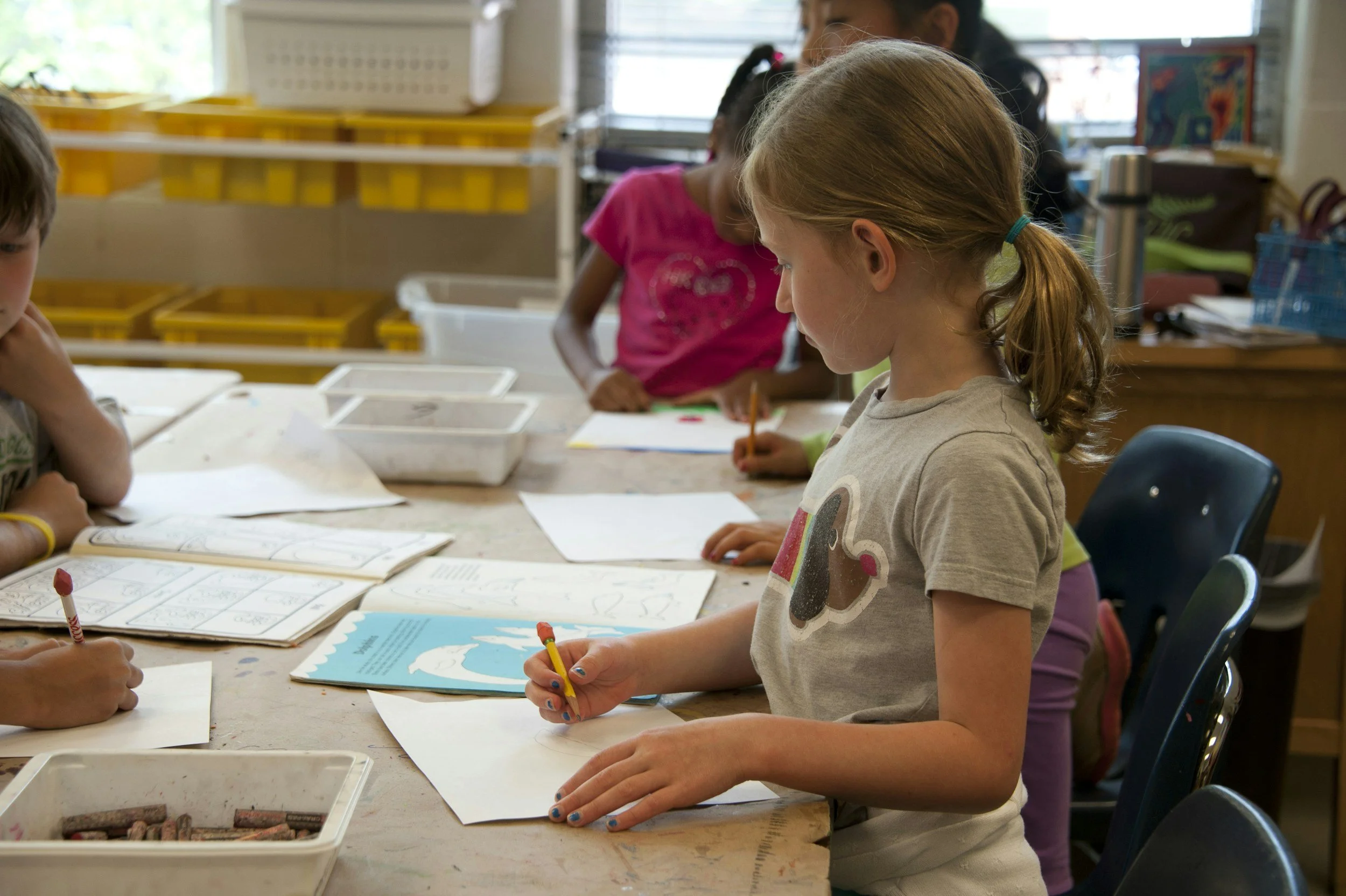
School can be a source of stress for many children. While some anxiety is normal, persistent anxiety can affect learning, social interactions, and overall well-being. Parents play a critical role in supporting children through school-related anxiety by understanding triggers, building coping strategies, and collaborating with teachers and therapists.
Key Takeaways
Anxiety at school is common and can interfere with academics, friendships, and emotional health.
Early identification and supportive strategies at home and school improve outcomes.
Collaboration with teachers and school staff is essential.
Evidence-based strategies, including play therapy and cognitive-behavioral techniques, can help children manage anxiety.
Parent involvement and consistency between home and school enhance emotional resilience.
Understanding School-Related Anxiety
Children may experience anxiety at school due to:
Academic pressure or fear of failure
Social challenges with peers
Separation from caregivers
Transitions or changes in routine
Learn more about early warning signs of anxiety in children in ‘10 Signs of Anxiety in Children Parents Should Not Ignore’.
Children often show anxiety through behaviour rather than words, including:
Avoiding school or classroom activities
Frequent stomachaches or headaches
Difficulty concentrating
Emotional outbursts or irritability
Excessive reassurance-seeking from parents or teachers
Strategies Parents Can Use
1. Open Communication
Encourage children to talk about their school day without judgment.
Validate feelings: acknowledge worry and normalize emotions.
2. Collaborate with Teachers
Share observations about your child’s anxiety with teachers.
Work together to create supportive accommodations, like flexible deadlines or breaks.
3. Establish Routines
Maintain consistent morning and bedtime routines.
Prepare children for transitions, such as class changes or tests.
4. Teach Coping Skills
Introduce calming strategies: deep breathing, visualization, grounding exercises.
Practice problem-solving and role-play school situations at home.
For complementary home strategies, see ‘How to Help an Anxious Child at Home’.
5. Encourage Gradual Exposure
Start with small, manageable school-related challenges.
Celebrate successes, even small steps, to build confidence.
6. Consider Professional Support
If anxiety persists despite home and school strategies, therapy can help.
Play therapy and cognitive-behavioral therapy (CBT) have strong evidence for reducing school-related anxiety.
To learn how therapy supports children with anxiety, read ‘How Therapy Helps Children Manage Anxiety’.
Skills Children Can Develop
Emotional Regulation: Recognize and manage stress in school settings.
Confidence & Resilience: Face challenges with guidance and support.
Social Skills: Communicate needs effectively with peers and teachers.
Problem-Solving: Approach school tasks and social situations constructively.
Frequently Asked Questions
How can I tell if my child’s school anxiety is serious?
If anxiety affects school attendance, academics, sleep, or social relationships, consider professional support.
What strategies can teachers use?
Teachers can provide reassurance, structured routines, predictable schedules, and short breaks.
Can home and school strategies work together?
Yes. Consistency between home and school greatly improves outcomes. Combining parent support with school accommodations and therapy yields the best results.
Want to help your child manage anxiety through therapy? Check out ‘Play Therapy for Anxiety in Children’ for structured, evidence-based approaches.
About the Author
Vipjit Sidhu, MA, MSc, is a Registered Psychotherapist and founder of Mount Pleasant Counselling & Psychotherapy. She specializes in supporting children, teens, and families experiencing anxiety and emotional challenges. Her work focuses on building resilience, coping skills, and emotional awareness across home, school, and therapy settings.
References
Canadian Mental Health Association. Anxiety Disorders in Children and Youth. https://cmha.ca
Kendall PC, Hudson JL. Cognitive-behavioral therapy for anxious children in school settings. Child and Adolescent Psychiatric Clinics, 2007;16(2):231–248.
Association for Play Therapy. Play Therapy and School Anxiety. https://www.a4pt.org
National Institute for Health and Care Research. Parent-supported CBT for child anxiety. https://www.nihr.ac.uk
