

Play Therapy for Anxiety in Children
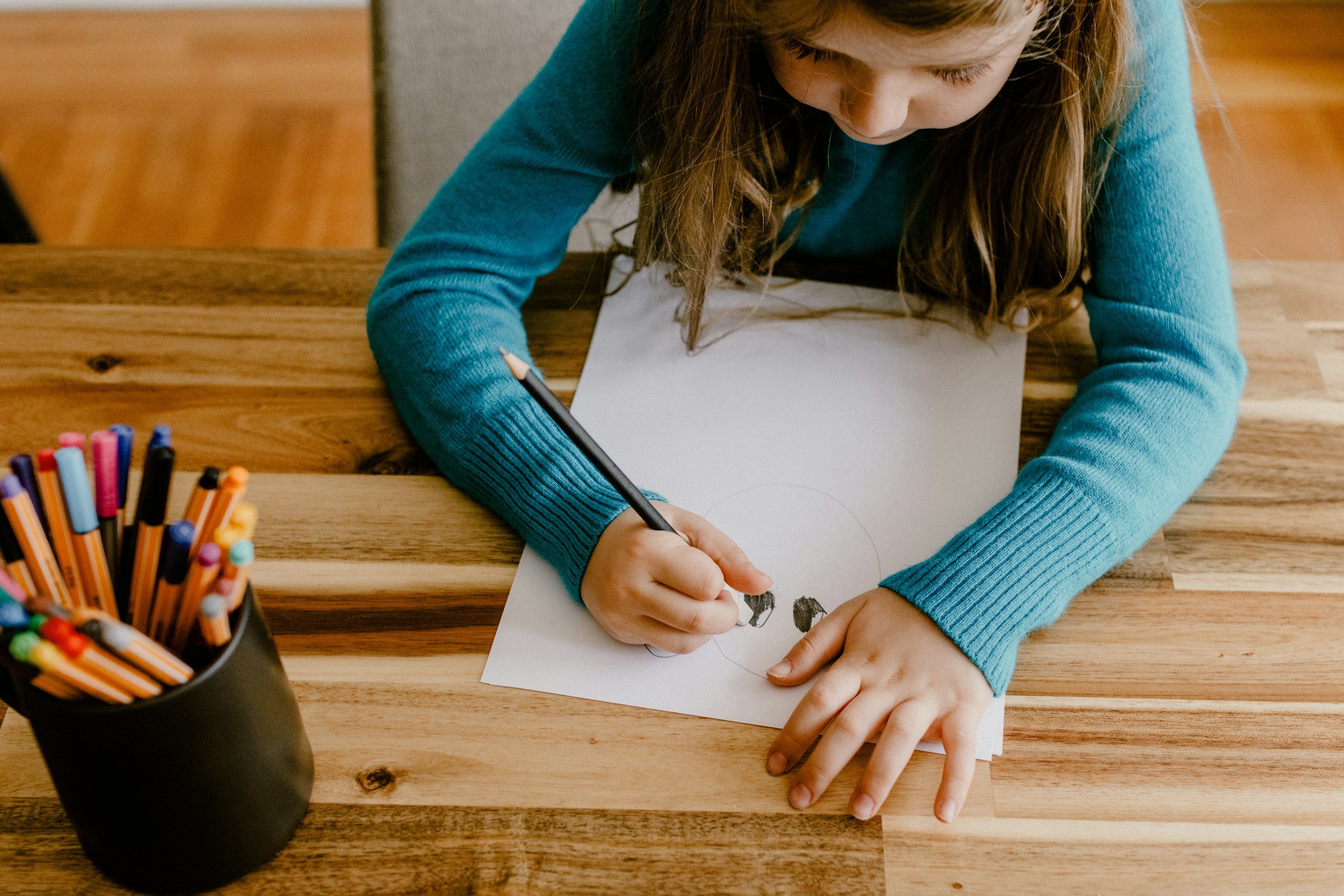
Play Therapy for Anxiety in Children: A Complete Parent Guide
Childhood anxiety is more common than many parents realize. Research indicates that 15–20% of children experience clinically significant anxiety by the age of 12. While some anxiety is a normal part of growing up, persistent worry, avoidance, or intense fear can interfere with school, friendships, and daily life.
Play therapy offers a structured, evidence-based approach for children to explore and express their emotions in a safe environment, helping them manage anxiety effectively.
Key Takeaways
Play therapy helps children manage anxiety: It provides a safe, structured way for children to express emotions and build coping skills through play, art, and imaginative activities.
Signs your child may benefit: Persistent worry, avoidance of school or activities, emotional outbursts, sleep issues, or difficulty expressing feelings are all indicators.
Therapy is flexible and evidence-based: Sessions can include sand tray therapy, art, role play, puppets, or games, tailored to your child’s age and comfort level.
Parents play a supportive role: Encourage open conversations, validate emotions, maintain healthy routines, and integrate playful activities at home to reinforce therapy.
Early intervention matters: Seeking guidance early can reduce anxiety symptoms, improve social and emotional skills, and empower your child with confidence and resilience.
Why Play Therapy Works for Children
Unlike talk therapy, young children may struggle to articulate complex emotions with words. Play therapy allows children to express feelings through play, art, or imaginative activities, which serves as a natural language for emotional processing.
Benefits include:
Emotional awareness: Helping children recognize and label feelings.
Coping skills: Teaching strategies for stress management and anxiety reduction.
Self-expression: Encouraging children to communicate experiences they cannot verbalize.
Confidence and resilience: Building problem-solving skills and emotional flexibility.
Studies have shown that children participating in play therapy demonstrate significant reductions in anxiety symptoms, improved social skills, and enhanced self-esteem.
Common Signs Your Child May Benefit from Play Therapy
Parents often wonder whether anxiety is “normal” or if professional support is needed. Children may benefit from play therapy if they:
Frequently avoid school, friends, or activities
Express worry or fear that seems excessive for their age
Exhibit irritability, tantrums, or emotional outbursts
Have trouble sleeping or experience physical symptoms (stomachaches, headaches)
Struggle to articulate feelings or express distress through words
If you notice these patterns, early intervention can prevent anxiety from becoming more entrenched. Seeking support does not mean something is “wrong” with your child, it provides a safe space to build emotional awareness and coping skills.
How Play Therapy Sessions Work
Play therapy is typically facilitated by a trained child psychotherapist, who observes and interacts with the child in a therapeutic setting. Common approaches include:
Sand tray therapy: Children create scenes in a sandbox to represent experiences or emotions.
Art therapy: Drawing, painting, or sculpting to process feelings visually.
Role play or puppets: Acting out scenarios to explore social or emotional challenges.
Games: Structured games that teach coping skills and problem-solving strategies.
Therapists often tailor the approach to the child’s age, developmental stage, and comfort level, allowing children to move at their own pace.
Practical Tips for Parents to Support Play Therapy
Parents can reinforce progress at home and help children feel supported:
Create open conversation spaces: Invite children to share thoughts without pressure.
Validate emotions: Acknowledge feelings even if you do not fully understand them.
Encourage healthy routines: Consistent sleep, balanced nutrition, and physical activity support emotional regulation.
Integrate playful activities at home: Art, music, or cooperative games can help children express feelings.
Seek guidance early: Consult a therapist if anxiety interferes with school, friendships, or daily life.
Myths About Play Therapy
Myth: Play therapy is “just playing games.”
Fact: Play therapy is structured, goal-oriented, and evidence-based. Each activity is designed to help children process emotions, develop coping strategies, and gain self-confidence.Myth: Only children with severe anxiety need play therapy.
Fact: Play therapy can help children with mild or moderate anxiety, social challenges, or difficulties expressing emotions.Myth: Parents must sit in the room for therapy.
Fact: Many sessions are conducted individually with the child, allowing for a confidential space to explore feelings safely.
When Should I Consult a Therapist?
It’s a common question: “How do I know if my child needs therapy?” Consider a consultation if your child:
Experiences persistent worry or fear
Withdraws from friends, family, or activities
Struggles at school or avoids responsibilities
Shows intense emotional reactions
Has difficulty communicating their feelings
Early consultation can help children learn emotional regulation skills, prevent anxiety from worsening, and empower families to support their child effectively.
FAQs
1. Can play therapy help with social anxiety?
Yes. Play therapy provides a low-pressure environment where children can practice social interactions and develop confidence in expressing themselves.
2. How long does play therapy usually last?
The duration depends on the child’s needs. Some children benefit from short-term sessions (8–12 weeks), while others engage in longer-term therapy for ongoing support.
3. Can my child attend therapy alone?
Yes. It is common for children to participate individually, giving them a confidential space to explore emotions, while parents may receive guidance to reinforce strategies at home.
4. When should I consult a therapist?
If anxiety interferes with daily life, school, friendships, or family interactions, or if your child’s emotional reactions feel overwhelming, it is time to consult a therapist.
About the Author
Vipjit Sidhu, MA, MSc, is a Registered Psychotherapist and founder of Mount Pleasant Counselling & Psychotherapy. She specializes in supporting children, adolescents, mothers, and families experiencing anxiety, emotional overwhelm, and life transitions. Her work focuses on helping individuals and families build emotional awareness, resilience, and healthy coping strategies, while fostering stronger relationships and well-being across all ages. Vipjit offers therapy in English, Punjabi, and Hindi, creating a culturally sensitive and supportive environment.
References
American Academy of Child & Adolescent Psychiatry. (2022). Teen and Child Anxiety.
Canadian Paediatric Society. (2023). Understanding Anxiety in Children.
Association for Play Therapy. (2023). Play Therapy Evidence-Based Practices.
National Institute of Mental Health. (2023). Child Anxiety Disorders.
World Health Organization. (2021). Adolescent and Child Mental Health.
